
Will my LAP-BAND affect my marriage or other relationships? In a way, yes it will. First it starts with affecting you. You will change your personal relationship with food. You’ll look at eating differently and will modify habits that led you to an unhealthy weight or continued the cycle of unhealthy weight. During this personal change you might need support from those around you. You will need to be strong enough to say, “Sorry I prefer not to eat that… but I can eat this.” or “you know I love peanut butter m&m’s, but I am trying not to have them on a regular basis anymore, Can we avoid having them in the house?”
[…]
Category: Operation

Fear of Failure.
One of the biggest road blocks for those struggling with obesity, or anyone working on their weight, is fear. Fear of failure. Fear of disappointment. Fear of health issues. Fear of being judged by others, society, and a loved one. Fear of admitting your weight is a bigger issue to you than you’ve ever let on. Fear of having no other option and being stuck in this body that doesn’t feel like yours anymore. Fear of bariatric surgery.
We understand that fear. We understand that breaking out of comfortable but unhealthy cycle of habits can be hard. We know overcoming your fears will take time and dedication as well as commitment. We also know it takes a strong support system, and we understand that fear pushes everything aside and alienates us from anything or anyone that’s trying to help.
Fear is a huge factor that keeps potential patients from taking the first step in tackling their weight issues. How can Dr. McEwen and his team help with fear? Where do these fears come from? Why do potential LAP-BAND patients have these fears? Below are a few steps to take in overcoming your fears: […]

LAP-BAND Surgery, a Possible Treatment for Diabetes.
It is important for us to clarify that lap band surgery will not cure your diabetes. Bariatric surgery does have the power to greatly improve your blood sugar levels and overall numbers. Improvements in blood sugar levels makes it possible for you to decrease your dependence on diabetes-related medications. While bariatric surgery is not an exclusive diabetes treatment there is a direct correlation with weight loss surgery and improvements in diabetes health issues.
LAP-BAND surgery can make a difference; patients could use less medication or none at all for TYPE 2 Diabetes or Insulin Resistance. Type I diabetes could see improvements with weight loss but Type I diabetics will always need therapy. […]
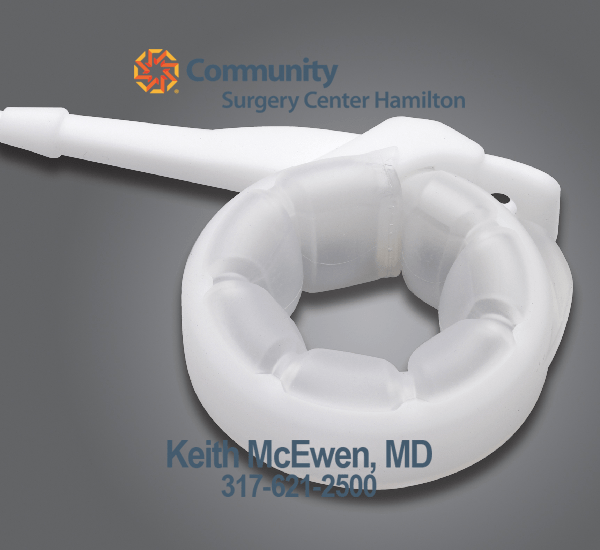
What Are LAP-BAND Adjustments & Why Do We Perform Them?
A LAP-BAND adjustment is an in-office procedure. Doctor McEwen uses a specialized needle to insert into your LAP-BAND port to inject sterile saline. The saline can fill the band’s inner pockets to tighten the band, or remove saline to loosen it.
Adding fluid to the band tightens the stoma (opening) into the lower stomach. The fluid makes the opening to your LAP-BAND pouch smaller, making it harder for food to pass through while helping you to feel full quicker. This added restriction means you need to pay closer attention to your food eat, speed at which you eat it, portion control and of course, what you are actually eating. […]

Who Can Get The ORBERA Balloon?
Currently, there are over 220,000 ORBERA balloons in over 80 countries, making our ORBERA program a leader in the gastric balloon treatment. With that in mind, our ORBERA program is ideal for patients who need/want to lose 20-30 pounds with a body mass index (BMI) of 30-40 and have had several attempts at weight loss with diets, exercise and other programs. […]
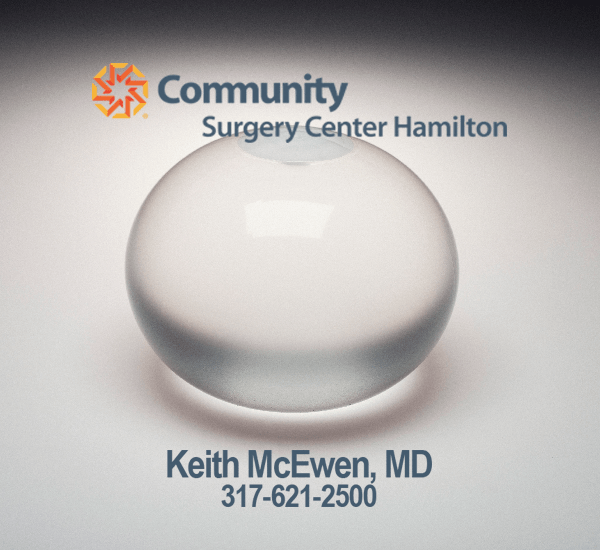
ORBERA Intragastric Balloon | Bariatric Balloon 101
The ORBERA gastric balloon is a spherical silicone smooth surface balloon filled with saline that floats within the walls of the stomach to aid in weight loss. The 6 months short-term program is ideal for patients with a body mass index (BMI) of 30-40kg/m who want to quickly kick-start weight-loss. Ideally, the ORBERA balloon is to be used in conjunction with a long-term supervised diet and behavior modification program to maintain weight-loss post ORBERA treatment.
Bariatric LAP-BAND Myths, Part 2
In part 2 of Bariatric LAP-BAND® myths, we’ll address the post-op and patient-driven myths that surround lap band surgery. Every case varies and different variables can affect patients in different ways so no 2 people have the exact same experience. The following myths are general concepts we’ve experienced in our practice. If you or anyone you know has more questions, consider attending our FREE info seminar or email Cheryl Conwell at cconwell@ecommunity.com.
Bariatric LAP-BAND Myths, Part 1
Thanks to wonderful power of the internet, anyone can sound like an expert of any particular topic. The internet can provide some great and reliable info sources but for every reliable source there are just as many, if not more, sources that have little to no credibility. It seems we often find ourselves letting myths or negative experiences scare us from making the right decision for ourselves. Often, these myths will take a partial truth and blend them with an individual’s negative experience. These sources are largely based on emotion and not fact. Dr. McEwen has an extensive amount of experience in bariatric surgery with over 11 years exclusively in LAP-BAND® procedures and his experience can help address current myths often found while browsing the internet. In this two part blog, we’ll address surgical myths in part 1 and patient myths in part 2.

LAP-BAND® Full Liquid Diet.
The full liquid diet is the second diet phase you will advance to after your lap band surgery. Full liquids are liquids that you cannot see through and include protein shakes, soups (smooth, no large pieces of food), drinkable yogurt like Lifeway Kefir (ideally Greek, non-fat), sugar free Jell-O, sugar-free pudding, sugar free Carnation Instant Breakfast, etc. These full liquid enter your post LAP-BAND® diet on day 3 through approximately day 9. The goal is to slowly advance to foods with a thicker consistency and prep your lap band for solids and other appropriate foods.
During this period, the goal caloric intake is 600-800 kcal/day minimum although an overall goal of 1200 kcal should be reached by day 28. We recommend our patients start with protein shakes such as Bariatric Advantage Meal Replacement which we sell in the office or a quality whey-protein shake like Premier Protein. The minimum protein shake intake per day for women should be two servings and three for men. Don’t forget to start back on your vitamins at this phase as well! Chewable vitamins are recommended as they dissolve and won’t sit in the pouch above your band potentially causing irritation like a tablet would.

Possible LAP-BAND® Surgery Complications.
Surgery has a tendency to be scary, yes, nerves rattle thinking about it, planning for it, and living through the recovery time. We fear complications. Like other surgical procedure, invasive or not, the LAP-BAND surgery has minimal complications compared to other gastric surgery (bypass or sleeve). Currently, the ‘trendy’ weight loss surgery is the gastric sleeve (it removes 80% of stomach). The gastric sleeve is being marketed as minimally invasive. However it has complications comparable to all weight loss procedures.

 Weight Loss Solutions